
Between 2019 and 2023, three projects were developed in collaboration with museum collections and archives: A(rtificial) I(ntelligence) I & II (Atelier Meštrović, Zagreb and Gallery Meštrović, Split, 2019), With the Collection / Perfect Peripheral (Museum of Modern and Contemporary Art, Rijeka, 2020), and Utopian Heterotopia (Richter Collection, Museum of Contemporary Art, Zagreb, 2023).
Although developed in different institutional contexts, all three projects emerged from the same question: what happens when a museum collection is approached not only as a collection of artworks, but also as a dataset?
The research began in 2018, before generative AI became publicly accessible and before image-generation tools could produce results with a simple prompt. Developed in collaboration with programmer Fran Jurišić, the projects required months of data collection, organization, cleaning, and preparation, as well as training machine learning and generative models on specific collections and archives. AI was not approached as a shortcut or a tool of automation, but as a medium for critical inquiry and experimentation.
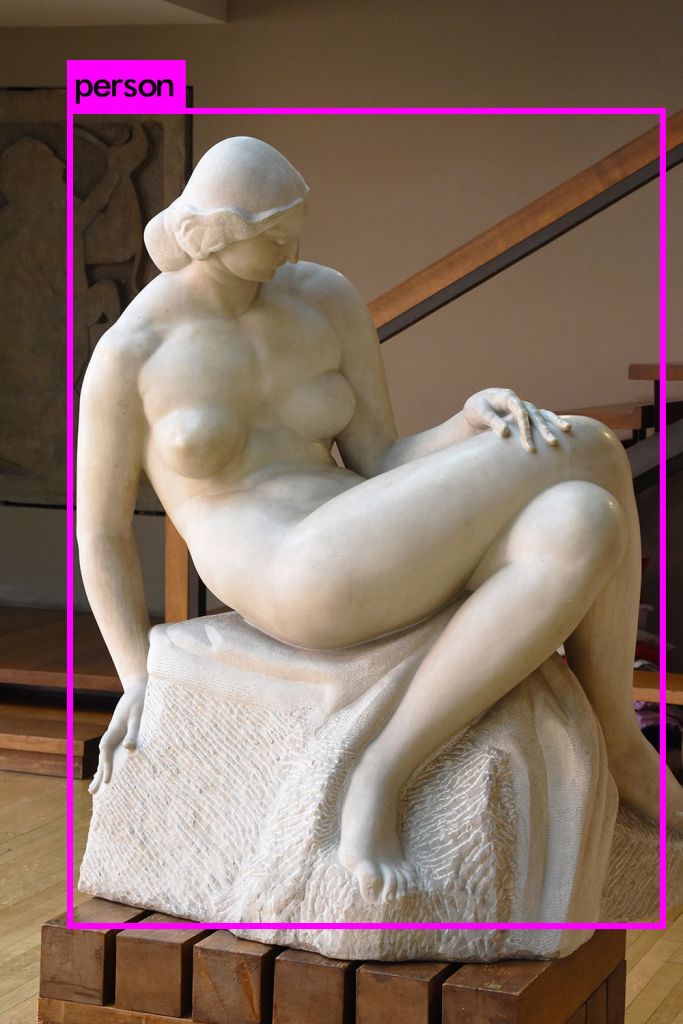
A(rtificial) I(ntelligence) I & II (2019) developed in collaboration with curator Barbara Vujanović and the Ivan Meštrović Museums, used the museum’s digital archive as a starting point for exploring how machine learning systems “see” works of art. Through the analysis of sculptures, archival photographs, and computer vision systems, the project investigated algorithmic perception, classification, and meaning-making. Rather than attempting to reproduce Meštrović’s work, it examined how AI interprets cultural heritage and what new readings emerge from that process. The project also addressed broader questions surrounding transparency, bias, surveillance, and the increasingly influential role of algorithmic systems in contemporary society.
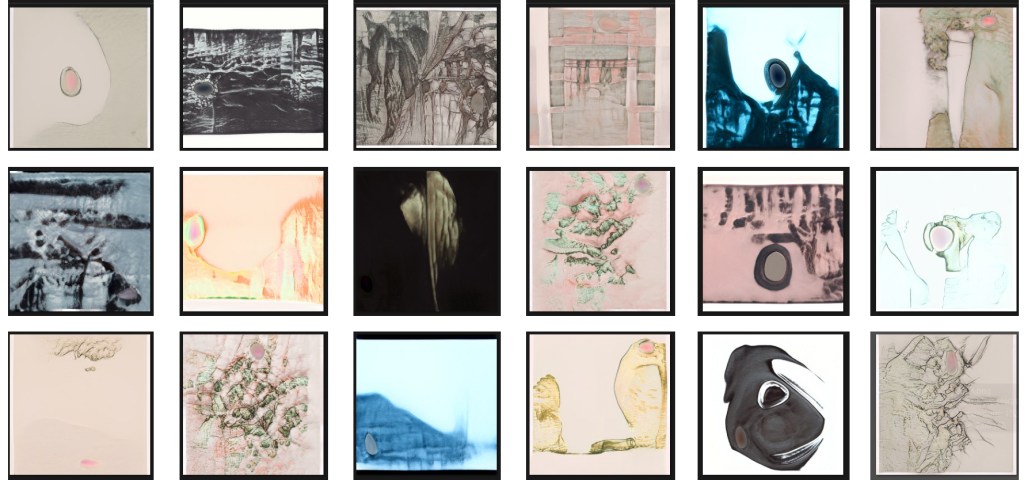
In With the Collection / Perfect Peripheral (2020), developed during participation in the WHW Akademija program, used the digitized collection of the Museum of Modern and Contemporary Art Rijeka as a training dataset for GAN models. Each artwork within the collection was treated as an equally valuable data point. The generated images were not reproductions of existing works but new visual forms emerging from the relationships between hundreds of artworks contained within the archive. The project approached the museum as a living archive and a data center: a place where accumulated knowledge and cultural memory can become material for new forms of artistic production.
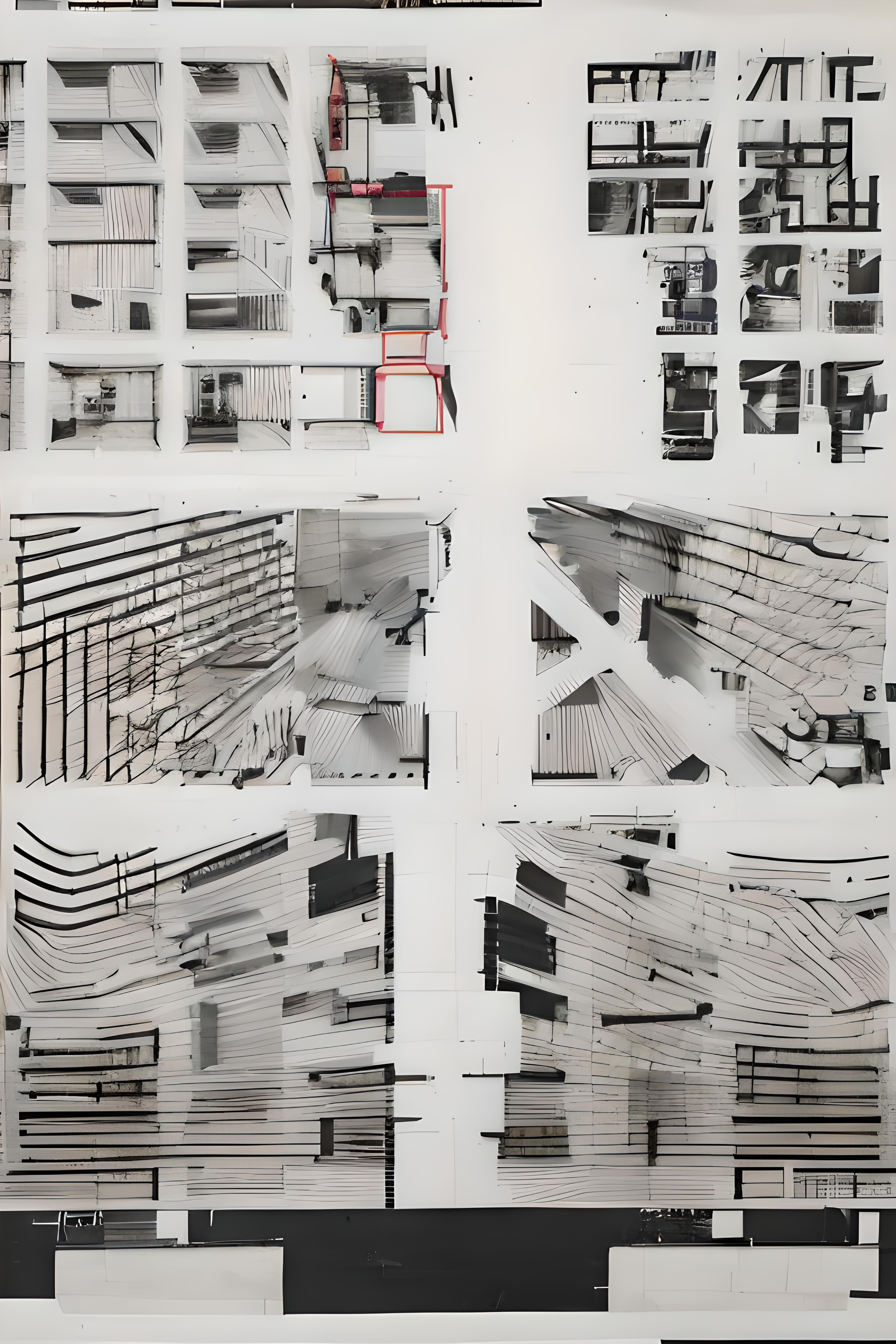
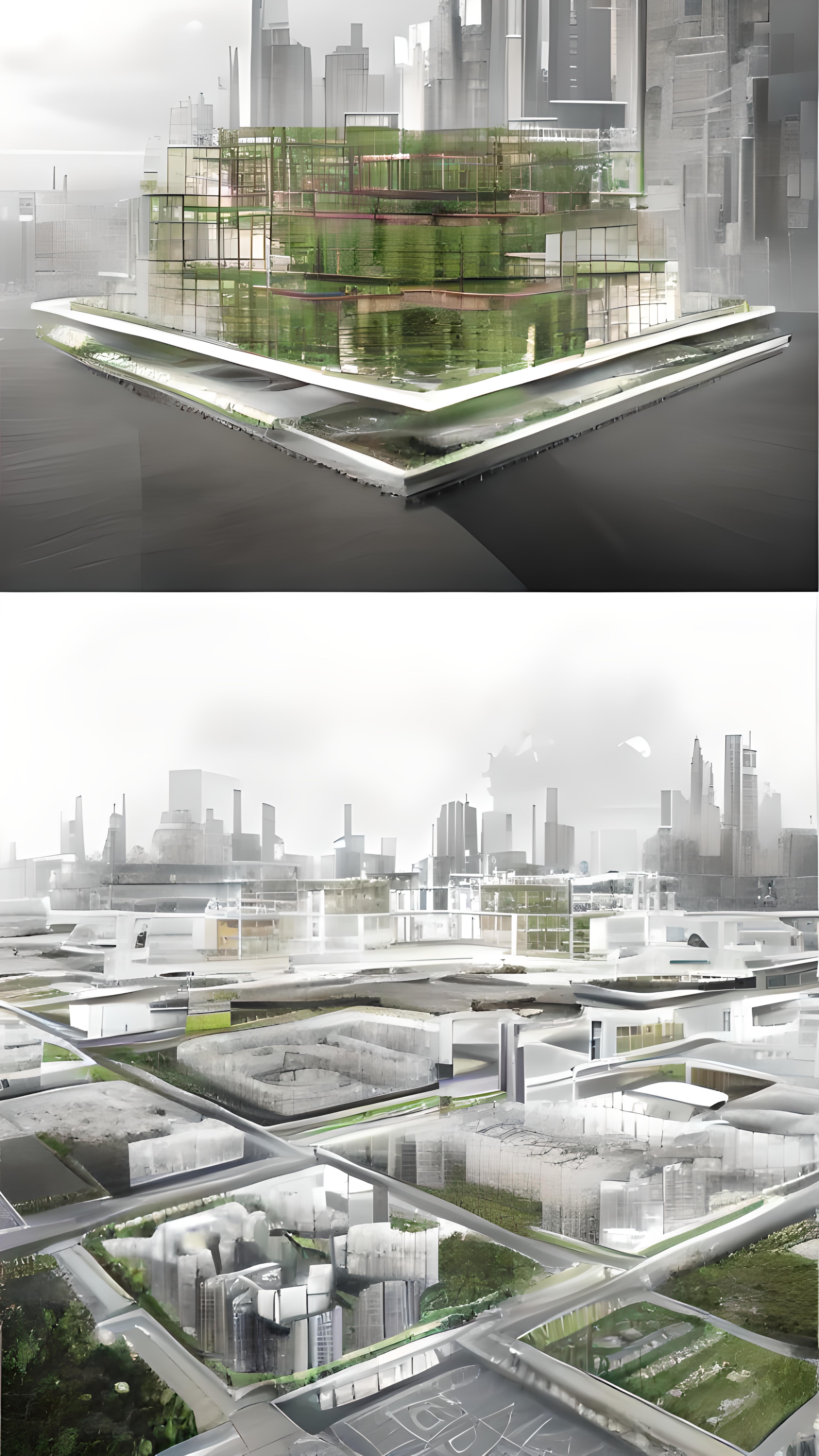
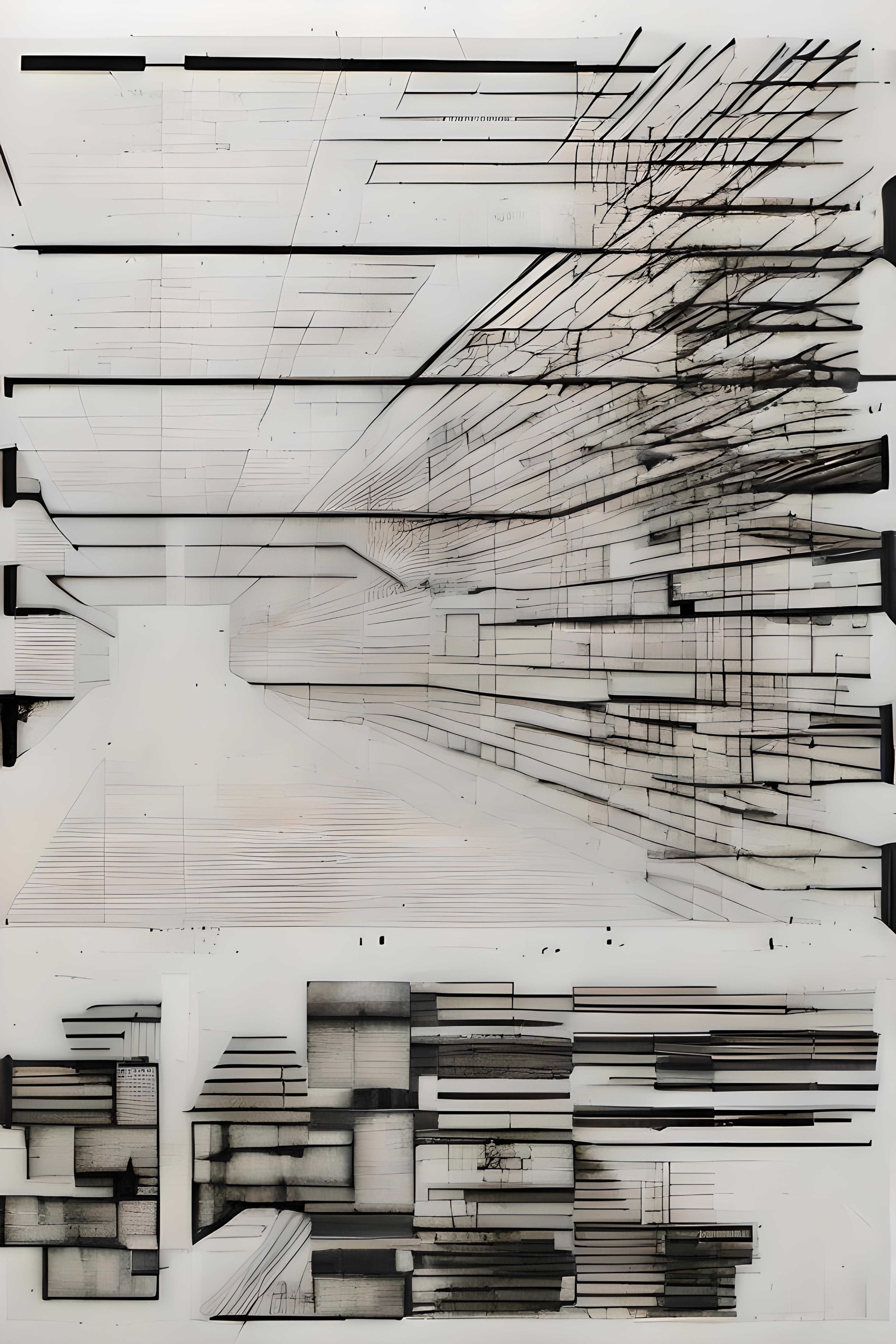
Utopian Heterotopia (2023) was developed in collaboration with curator Vesna Meštrić and emerged from research into the Richter Collection, particularly Vjenceslav Richter’s concept of Sinturbanism. Revisiting Richter’s visions of future cities through machine learning and generative systems, the project explored the relationship between utopian thinking and contemporary technology. Richter’s reflections on computers and creativity, articulated in the context of New Tendencies during the late 1960s, acquire renewed relevance in the age of artificial intelligence. The resulting images occupy a space between archival document, speculative architecture, and machine-generated fiction.
Across all three projects, artificial intelligence functions neither as a neutral tool nor as an autonomous author. Instead, it becomes a site of negotiation between human and machine agency, archive and imagination, historical knowledge and technological speculation. The works engage critically with the opacity of machine learning systems, the biases embedded in datasets, and how algorithmic processes shape contemporary culture. At the same time, they embrace the unexpected, playful, and often poetic outcomes generated through collaboration with intelligent systems.
Rather than offering definitive answers, these projects ask how cultural memory is transformed when collections become datasets, how archives are reinterpreted through machine learning, and what new images emerge when museums begin to dream through machines.
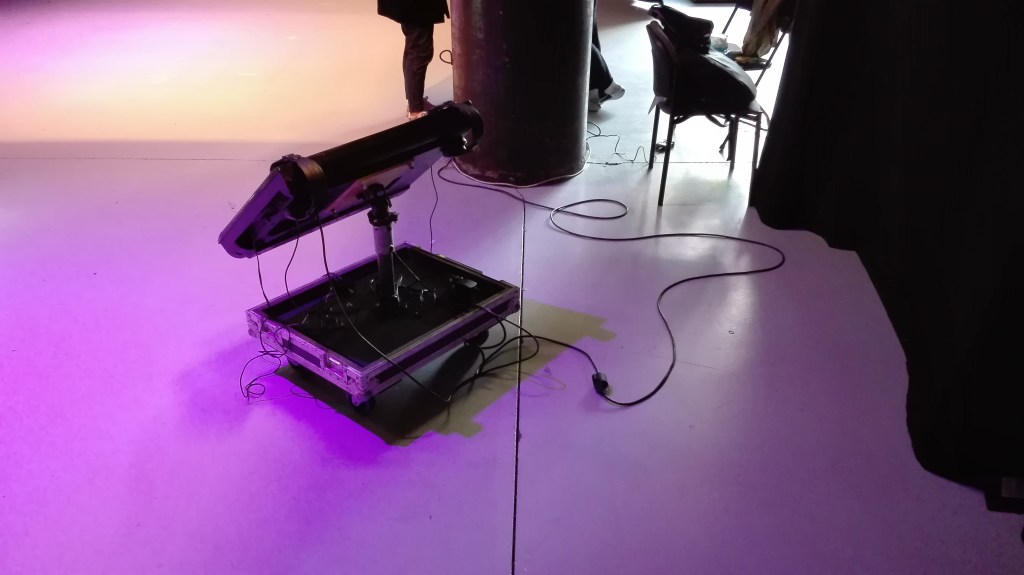 2018 Summer Sessions 2018 (Kunstavond XL), V2_ Lab, Rotterdam, Netherlands


 Ivana Tkalčić